
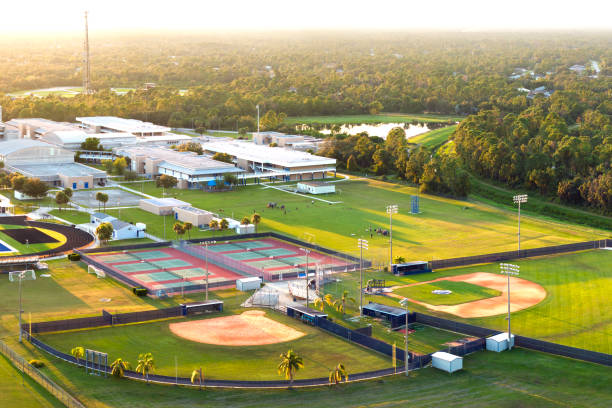
The way athletic spaces are built in the United States has shifted significantly over the last decade. Large-scale sports facilities, school campuses, community parks, and training centers are no longer assembled through fragmented purchasing decisions. Instead, they are increasingly developed through structured, project-based sourcing models that align equipment, timelines, and long-term use requirements from the outset.
This shift reflects broader changes in how institutions think about durability, compliance, and lifecycle value. As demand grows for well-integrated sports environments, project-led sourcing has become central to ensuring that facilities function as cohesive systems rather than disconnected installations, particularly when dealing with outdoor sports equipment in USA projects that must withstand varied climates and heavy usage.
Understanding Project-Based Equipment Sourcing
Project-based equipment sourcing refers to a structured approach where planning, manufacturing, supply, and installation are aligned under a unified framework. Rather than purchasing equipment individually, stakeholders define technical specifications, usage demands, and compliance standards at the project level. This ensures consistency across facilities and reduces operational gaps after installation.
In the U.S. athletic infrastructure, this approach is especially relevant for multi-sport complexes and institutional facilities. These projects often require coordination across multiple sports categories, safety regulations, and site-specific constraints. A project-based model allows for equipment compatibility, standardized quality, and predictable execution timelines.
The result is a more resilient infrastructure that supports long-term athletic development rather than short-term installation goals.
Institutional Demand and Scale in U.S. Sports Development
Public institutions, school districts, universities, and municipal bodies play a central role in shaping athletic infrastructure across the country. Their projects are typically governed by budget accountability, regulatory compliance, and long service life expectations. Equipment sourcing in these contexts must balance performance requirements with public-use durability.
Project-based sourcing addresses these challenges by centralizing decision-making. Equipment selections are evaluated not only for immediate performance but also for maintenance cycles, replacement timelines, and user safety. This approach reduces fragmentation and ensures that facilities remain functional and compliant long after commissioning.
As institutional investment in sports continues to grow, structured sourcing models are becoming essential to managing complexity at scale.
Aligning Equipment Design With Facility Planning
When equipment sourcing is integrated early into facility planning, it directly influences how athletic spaces are designed and used. Dimensions, surface compatibility, storage needs, and athlete flow patterns can all be optimized when equipment specifications are known in advance.
This alignment is particularly important for facilities hosting multiple sports or high user volumes. Poor coordination between design and equipment often leads to retrofits, underutilized spaces, or safety compromises. Project-based sourcing minimizes these risks by treating equipment as a foundational element rather than an afterthought.
Manufacturing Consistency Across Sports Categories
One of the key advantages of project-based sourcing is consistency in manufacturing standards. When equipment is produced under unified specifications, it ensures uniform quality across different sports and usage zones within a facility.
Consistency is critical in institutional environments where uneven quality can increase maintenance costs and safety risks. Standardized manufacturing also simplifies inspections and compliance reporting, particularly for public projects that require ongoing audits.
Logistics and Phased Deployment Planning
Large sports projects rarely install all the equipment at once. Phased deployment is common, especially in campus-style developments or multi-year infrastructure programs. Project-based sourcing allows equipment delivery schedules to align with construction milestones.
By coordinating logistics at the project level, facilities avoid storage issues, installation delays, and mismatched components. This level of planning is essential in minimizing downtime and ensuring smooth handovers between contractors and operators.
Installation Standards and On-Site Integration
Installation is often where sourcing strategies succeed or fail. Equipment that is not installed according to specification can underperform regardless of its quality. Project-based models emphasize standardized installation protocols and site integration checks.
This ensures that equipment performs as intended and aligns with safety and accessibility requirements. For high-use athletic environments, proper installation directly impacts user experience and long-term reliability.
The Role of Outdoor Equipment in Public Athletic Spaces
Outdoor athletic infrastructure remains a cornerstone of U.S. sports development. Community parks, school fields, and municipal recreation areas depend on equipment that can withstand environmental stress while maintaining safety and performance.
Project-based sourcing is particularly valuable in outdoor contexts, where climate exposure, surface variation, and vandal resistance must be considered. Equipment selection is often guided by regional conditions and usage intensity rather than generic specifications.
This structured approach helps public agencies deliver durable outdoor spaces that remain functional across seasons and years.
Climate-Responsive Material Selection
Outdoor equipment must perform across a wide range of temperatures and weather conditions. Project-level sourcing allows materials and finishes to be selected based on regional climate data and exposure risks.
This reduces corrosion, surface degradation, and premature wear. Over time, climate-responsive sourcing lowers maintenance demands and extends equipment lifespan.
Safety Compliance in Public Environments
Public athletic spaces are subject to strict safety expectations. Equipment must meet established standards for impact resistance, stability, and user protection. Project-based sourcing embeds safety compliance into the procurement process from the beginning.
By standardizing safety criteria across all equipment categories, institutions reduce liability risks and improve user confidence. This is especially important in youth and community sports settings.
Maintenance and Lifecycle Planning
Outdoor facilities often face budget constraints for ongoing maintenance. Project-based sourcing accounts for lifecycle costs during equipment selection, prioritizing designs that are easier to inspect, repair, and replace.
Lifecycle planning reduces unexpected expenditures and keeps facilities operational longer. It also enables better forecasting for future capital investments. This long-term view is essential for sustainable public infrastructure.
Final Thoughts on Structured Sports Equipment Programs
The evolution of U.S. athletic infrastructure reflects a growing emphasis on coordination, durability, and long-term value. Project-based equipment sourcing has emerged as a practical response to the increasing scale and complexity of sports development across public and private sectors.
Organizations such as Cypex Group operate within this framework by focusing on structured manufacturing, supply, and installation services aligned with institutional and project-driven requirements. As demand continues to rise for resilient athletic environments, integrated sourcing models will remain central to how facilities are planned, delivered, and sustained, particularly in projects involving fitness sports equipment in USA across educational, municipal, and training-focused developments.


