
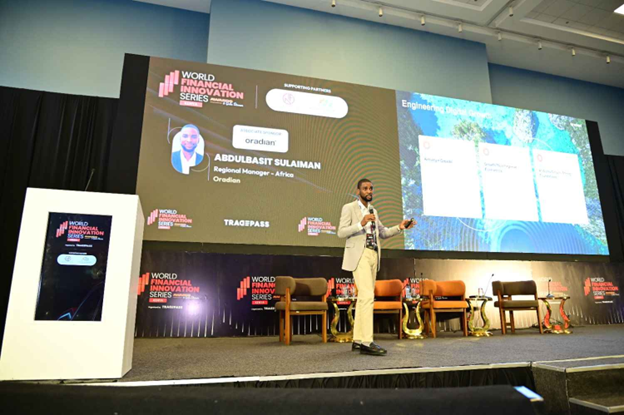
Innovation is not a choice anymore in the ever-changing economic landscape that is prevailing in the contemporary world. Investors, financial institutions, and policymakers have never experienced as much as is the case now with the digital disruption of the financial sector, regulatory changes, and global market fluctuations. The global finance conference is a strategic place where these stakeholders meet to share ideas, emerging technologies, and actionable sustainable growth strategies. In addition to knowledge sharing, these forums bring about transformative thinking since they promote cross-sector and cross-regional collaboration. The attendees can be made aware of the trends that are making an impact on the financial services and make better decisions, apply more sophisticated solutions, and stay ahead of the competition.
These meetings can hasten the innovation process by showcasing the best practices and offering progressive research that can help participants stay ahead of the challenges before they affect their operations.
Highlighting Emerging Financial Technologies
The other contribution that can be discussed as one of the most significant in the influence of the finance conference is its involvement in demonstrating new technologies that are redefining the financial industry. Such issues as artificial intelligence, blockchain, and digital payment platforms are in the limelight, and they are used to show how the tools can simplify the processes, increase the level of security, and improve customer experiences. Sessions frequently focus on applied use cases, including algorithmic trading systems and AI-driven risk management systems, which allow the audience to learn not only the technology but also how to implement it into an existing system. Talks by the most successful fintech innovators will offer practical examples of successful implementation, motivating the traditional institutions to change.
The conference raises the level of innovation by introducing new methodologies and innovative solutions to the attendees that can inspire the establishment of products and services that can transform the standards of the market.
Facilitating Strategic Collaboration Across the Industry
In addition to technology, another strength of the conference is that it provides opportunities in strategic alliances and joint ventures. Developers of technologies, regulators, and financial institutions unite to discuss the burning issues of the industry, including cross-border transactions and regulatory compliance. The participants have access to different perspectives that they might not access in the normal interactions of daily businesses through panels, workshops, and round table discussions. Such partnerships are likely to result in joint ventures, joint development of new products, or joint research, which hastens the growth and minimizes operational risks. Furthermore, the capability to communicate with peers across the world enables organizations to be benchmarked in performance, best practice as well as finding gaps in the market.
Simply stated, the networking and collaborative possibilities, which are offered by the conference, can be converted into long-term strategic value, which will have the ability to impact both local and international financial environments.
Driving Regulatory Insight and Risk Management Practices
The other important part of the conference is that it focuses on governance, compliance, and risk management. Financial institutions have to deal with complicated regulatory systems in different jurisdictions in an era where more scrutiny is being enacted. Special conferences at the conference are giving detailed reports on the developments in the world regulatory scene, which offer practical advice to the attendees on how to stay within the line of operation, even as they strive to achieve growth goals. The debates concerning anti-money laundering practices, cybersecurity, and changing reporting standards provide the participants with real-world tactics of reducing the risk of operations and reputation. Additionally, case studies discussed in these sessions show ways in which institutions can strike a balance between innovation and regulatory compliance so that new solutions do not unwillingly put them in legal or financial risk.
Through the integration of professional skills and experience, the conference enhances the ability of the participants to adopt sound risk management systems that are in line with industry best practices.
Shaping Investment Strategies and Market Forecasting
The information provided during a world conference on finance usually directly affects investment decisions and the future of the market. Analysts examine the macroeconomic trends, the regional market trends, and the industry-specific opportunities to help them have a complete picture of the financial environment. The participants are taught how to evaluate the likely risks and benefits, which will allow them to make better investment choices. This is a level of understanding that is especially important in the ever-changing markets, where the information and professional advice can be the key to either the rise or the fall. Also, the portfolio management, asset diversification, and alternative investment strategy workshops allow the participants to practice the acquired theoretical knowledge in the workplace.
The conference provides financial professionals with evidence-informed insights, which means that innovation is not done in a vacuum but rather is based on strategic planning and market consciousness.
Promoting Thought Leadership and Knowledge Dissemination
One of the characteristics of the conference includes its focus on thought leadership and the sharing of practical knowledge. Famous business gurus and scholars show their research, case studies, and futuristic analyses that break the mainstream and provoke innovation. The visitors can see exclusive insights into the world’s financial trends, operational effectiveness, and customer-focused solutions. Such an exchange not only leads to individual and corporate development but also adds to the creation of a more knowledgeable and robust financial ecosystem.
The conference aims at equipping individuals to go back to their organizations with ideas and strategies that can be put into practice to bring about practical outcomes through the discussions that would bring together theory, research, and practical use. Such a culture of knowledge sharing makes innovation sustainable, strategic, and in line with long-term financial objectives.
Conclusion
The finance conference is a powerful tool that can determine the future of financial services by incorporating the aspects of technological innovation, strategic partnership, regulatory acumen, and thought leadership. It is a comprehensive platform through which practitioners are able to study the trends, share ideas, and come up with actionable strategies that act as growth and efficiency drivers. Through the financial services conference, the financial institutions, investors, and stakeholders in the industry will be in a position to foresee changes, explore transformational solutions, and have a competitive advantage in a fast-changing market.
To companies that want to keep abreast with the happenings in the industry and adopt the latest innovation, there is more information and resources offered via sites such as World Financial Innovation Series (WFIS) – Kenya that bring professionals together to share information, expertise, and solutions that can enable them to grow.

