
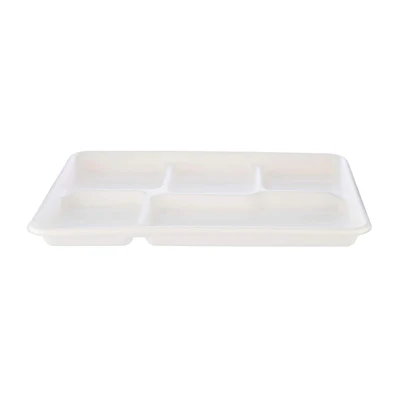
Food businesses today operate in an environment shaped by speed, scale, and rising customer expectations. Packaging is no longer a background function handled after production. It is now part of how food quality is protected, how brands communicate trust, and how businesses remain operationally efficient across multiple touchpoints.
As restaurants, bakeries, and food service providers grow more complex, presentation and protection must work together. From transport-ready containers to visually refined serving solutions, packaging has become a strategic decision rather than a logistical afterthought, especially for businesses sourcing food packaging containers wholesale.
The Shift From Functional Packaging to Business Infrastructure
Packaging has quietly moved into the core of food operations. It influences storage efficiency, shelf life, and how products move from kitchens to consumers without compromise. For growing food businesses, the right packaging system can streamline workflows and reduce unnecessary handling.
Standardization also plays a role. Uniform container sizes, stackable designs, and material consistency allow businesses to scale without operational chaos. Packaging choices increasingly support not just food safety, but staff efficiency and predictable supply chains.
Sustainability as a Business Requirement, Not a Trend
Environmental responsibility is now embedded into procurement decisions across the food industry. Governments, suppliers, and customers are all pushing for smarter material usage. Packaging is expected to balance performance with reduced environmental impact.
Businesses are evaluating materials based on renewability, recyclability, and compliance with food safety standards. This shift has elevated discussions around sustainable food packaging materials, which must perform under heat, moisture, and transport pressure while aligning with environmental goals.
Material Innovation in Disposable Foodware
Advances in material engineering have expanded options beyond conventional plastics. Paper-based solutions, molded fiber, and plant-derived polymers are increasingly used in food service packaging. These materials are designed to maintain rigidity, resist leakage, and handle temperature variation.
For businesses, innovation reduces the tradeoff between sustainability and performance. Packaging no longer needs to sacrifice durability to meet environmental expectations.
Balancing Cost Efficiency and Environmental Impact
Sustainable materials are often evaluated alongside pricing and availability. Bulk procurement, optimized designs, and material blends help businesses manage costs while transitioning toward more responsible packaging options.
Smart sourcing allows food operators to maintain margins without reverting to outdated packaging solutions that may fall short of modern compliance and consumer expectations.
Regulatory and Compliance Considerations
Food packaging materials are subject to strict safety and hygiene regulations. Compliance ensures materials do not react with food, transfer odors, or degrade under use conditions. Sustainable alternatives must meet the same standards as traditional materials.
Businesses increasingly rely on suppliers that offer certified, tested packaging aligned with both regulatory frameworks and sustainability benchmarks.
Presentation as a Competitive Differentiator
Presentation has become inseparable from perceived food quality. Even everyday meals are expected to arrive intact, visually appealing, and properly contained. Packaging influences first impressions before a single bite is taken.
For dine-in, takeaway, and delivery models, presentation-ready packaging supports brand consistency. Clean finishes, transparent lids, and thoughtful compartment design help food look intentional rather than improvised.
Specialized Packaging for Bakery and Confectionery Businesses
Bakeries and dessert brands face unique challenges. Products are often delicate, visually detailed, and sensitive to temperature or movement. Packaging must protect form while enhancing display value.
This has increased demand for purpose-built solutions that support cakes, pastries, and decorative elements without compromising structure or aesthetics.
Protection Without Compromising Design
Cake boxes, inserts, and clear domes are designed to prevent movement while allowing visibility. These solutions help maintain presentation integrity during transport and storage. Structural design plays a crucial role in ensuring decorative elements remain undisturbed, especially in multi-tier or customized bakery products.
Hygiene and Food Safety in Decorative Applications
Decorative food items require packaging that maintains hygiene without trapping moisture or heat. Ventilation, food-safe coatings, and material breathability contribute to longer freshness and safer handling. This balance is particularly important when packaging supports intricate finishes or edible embellishments.
Supporting Creative Expression in Baking
Packaging no longer limits creativity. Instead, it adapts to it. Businesses increasingly seek containers that accommodate varied shapes, heights, and decorative styles without forcing compromise. As a result, packaging has become an enabler of innovation rather than a constraint.
Supply Chain Reliability and Bulk Availability
Reliable access to packaging supplies is essential for uninterrupted operations. Businesses sourcing in volume prioritize consistency, predictable lead times, and product range depth. Bulk availability allows food operators to standardize packaging across locations while reducing per-unit costs. It also simplifies inventory planning and seasonal demand fluctuations.
Technology and Design Shaping the Future of Packaging
Packaging design continues to evolve alongside food technology. Improved sealing methods, heat resistance, and ergonomic features reflect the growing complexity of food service operations.
Design thinking now prioritizes user experience for both staff and customers. Easy-open lids, stack-friendly shapes, and spill-resistant features reduce friction at every stage of service.
Customization Without Overcomplication
While branding matters, businesses increasingly value subtle, functional customization over heavy visual treatments. Neutral designs that align with brand identity while remaining versatile across product lines are preferred. This approach keeps packaging adaptable as menus evolve.
Efficiency in Storage and Transportation
Packaging that stacks efficiently and optimizes space reduces transportation costs and storage footprint. These efficiencies compound over time, especially for high-volume food operations. Thoughtful design choices directly impact profitability and sustainability.
The Role of Data in Packaging Decisions
Procurement decisions are increasingly data-driven. Businesses analyze usage rates, waste levels, and customer feedback to refine packaging choices. This analytical approach ensures packaging evolves alongside operational realities rather than remaining static.
Final Thoughts on Scalable Packaging Solutions
As food businesses continue to expand and diversify, packaging will remain a critical foundation rather than a secondary concern. Solutions that combine safety, sustainability, and presentation help operators stay competitive in a demanding market. Platforms like Hotpack Web Store reflect how suppliers are adapting to these needs by offering a wide range of food service packaging, disposables, and baking accessories, including edible cake decorating supplies, that align with modern operational and quality expectations.
