Indonesia is emerging as a major hub for digital financial innovation in Southeast Asia. The rapid adoption of technology in the banking and financial sector has reshaped how consumers and businesses access services. With the growth of mobile banking, e-wallets, and fintech platforms, the digital banking conference scene has become a critical space for understanding these transformations. Additionally, a financial services summit provides insights into key regulatory, technological, and operational trends driving Indonesia’s financial ecosystem.
The Rise of Digital Banking in Indonesia
Indonesia has experienced a high rate of movement towards digital banking in the last decade. Conventional banks are adopting online banking, and fintech start-ups are providing new payment options, online lending, and wealth management applications. Reports provided by the industry show that the economic landscape consists of digital payments that are supported by the implementation of QRIS systems and the use of e-wallets nationwide. All these trends show that digital banking is not an extra function anymore but a part of the financial services in the country.
Key Drivers of Digital Transformation
There are various reasons that enable the adoption of digital banking in Indonesia at a rapid pace:
- Consumer Demand: Customers are increasingly taking mobile and online banking to be more convenient and faster.
- Regulatory Support: The IAKD Roadmap has been proposed by the Indonesian Financial Services Authority (OJK) to promote the use of technology in the banking and digital finance sector.
- Fintech Ecosystem: Fintechs are business startups that spur competition and innovation, especially in lending, payments, and insurance technology.
- Technology Infrastructure: Banks are also using cloud banking, AI-driven analytics, and secure mobile applications to provide personalized services on scale.
Such drivers are frequently emphasized by a digital banking summit, which enables the financial executives to exchange experiences and discuss new approaches.
The Role of Financial Services Conferences
By attending a conference on financial services, banks, insurance firms, and fintech firms have a chance to be ahead of the new trends. These financial services conferences are a unification of industry experts, decision-makers, and solution providers to deliberate on issues of great importance, like:
- Digital Lending and Embedded Finance: The new line of financial services is now based on more than payments, but on lending, insurance, and investment products.
- Cybersecurity and Fraud Prevention: Data and financial transactions are becoming a priority with more digital activity.
- AI and Data Analytics: The application of artificial intelligence can assist financial institutions to increasing their risk management, customer experience, and operational performance.
- Customer-Centric Banking: Mobile-first applications and personalized financial treatments are the main part of appealing to modern customers.
These conferences offer knowledge on the practical implementations of such trends, both strategically and in the technological front.
Innovations Shaping Indonesia’s Banking Landscape
The banking sector in Indonesia is changing radically. Key innovations include:
- Full-Suite Mobile Banking: Provides mobile banking services end-to-end through applications.
- Cloud Banking Platforms: Scalable operations and enhanced service provision.
- Regtech Solutions: Assistance in meeting the changing regulations by banks in an effective way.
- Insurance Technology: Claims, pricing, and fraud prevention in the insurance industry are being transformed by AI, blockchain, and big data.
These technologies are regularly highlighted by a digital banking conference, and its participants have an opportunity to observe the most innovative solutions and assess their implementation possibilities.
Financial Inclusion as a Strategic Focus
The issue of financial inclusion is still a major theme in Indonesia. An increasing number of unbanked people are becoming online consumers of digital financial services, from e-wallets to micro-lending sites. Financial services summits emphasize how to increase the availability of banking services to rural and underserved communities, without violating operational regulations. Through inclusion, the financial institutions would be able to increase their number of clients and the overall economic development of Indonesia.
Networking and Knowledge Sharing
One of the key benefits of attending a financial services summit is networking. The technological providers, the regulators, and the leaders of the industry are all in one place, and as a result, knowledge sharing and collaboration among them is easy. Such activities as panel sessions, fireside talks, and workshops allow participants to talk about how to solve common problems, exchange best practices, and identify how to collaborate.
Challenges in Digital Banking
Digital banking in Indonesia is experiencing challenges despite growing its business impressively:
- Cybersecurity Threats: With the increasing use of the digital environment, financial institutions need to be alert to cyberattacks.
- Regulatory Compliance: Finding the right balance between adapting to the changing regulations and providing uninterrupted customer experiences.
- Technology Integration: Banking systems that are based on legacy tend to need to be modernized so as to maximize the use of emerging fintech solutions.
- Customer Trust: This is important to ensure transparency and reliability when it comes to developing trust in digital services.
A digital banking summit is one of the possible forums where these issues could be discussed, and solutions should be developed.
Future Outlook
In the future, the trend of digital banking in Indonesia is likely to increase even more. The combination of AI, blockchain, and cloud technology will be used to improve efficiency and customer experience. It will be needed to make collaboration between conventional banks, fintech businesses, and regulators to ensure stability and promote innovation. Knowing these trends, financial institutions will be able to adjust to the demands of the market and become the first to adapt to the changing digital ecosystem.
Conclusion
The Indonesian banking sector is undergoing change, which is determined by technology, customer needs, and regulatory bodies. Digital payments, mobile banking, and fintech solutions are transforming financial services, and threatening cybersecurity and compliance should be tackled strategically. Presence in a digital banking conference or financial services summit will also allow the leaders to be introduced to industry colleagues, to talk about new solutions, as well as strategizing how they can transition into a digitally-focused future.
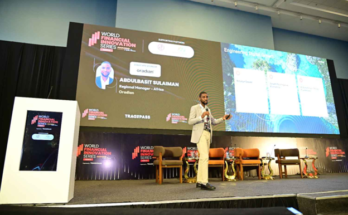
The World Financial Innovation Series (WFIS) -Indonesia is an elite event where more than 600 industry players, bank executives, and technology executives meet. It has keynote talks, panel debates, exhibitions, awards, and networking activities meant to demonstrate the most recent innovations in digital banking, insurance, and fintech. WFIS offers participants the opportunity to acquire knowledge, find innovative solutions, and cooperate with decision-makers to transform the Indonesian market of financial services and innovate through technology.